Individual results will vary from clinical trial averages based on multiple factors Lifestyle modifications remain essential for optimal outcomes with any medication Gradual dose increases help minimise side effects during the adjustment period Tracking hormonal markers helps demonstrate PCOS-specific improvements Patience is important as metabolic changes may precede visible weight loss Key Takeaways Retatrutide is a promising triple-agonist medication targeting GLP-1, GIP, and glucagon receptors that may offer superior benefits for women with PCOS compared to current treatments Clinical trials have shown weight loss of approximately 24%, which could significantly improve PCOS symptoms including insulin resistance, menstrual irregularity, and androgen excess The medication is not yet approved in the UK and remains in phase 3 clinical trials, with potential availability in late 2025 or 2026 Current alternatives including Mounjaro and Wegovy are available now and can provide meaningful benefits for PCOS whilst awaiting newer options Combining medication with lifestyle modifications and regular monitoring of hormonal markers offers the best approach for comprehensive PCOS management When to Seek Professional Advice If you suspect you have PCOS or have received a diagnosis and feel your current treatment is inadequate, speaking with a healthcare professional is the appropriate first step

For retatrutide, were getting, I think, maximum benefit for a single asset. Kopach anticipates sharing the results of seven Phase III studies by the end of 2026
It should include: Clinical screening for contraindications, interacting medicines, and relevant medical history
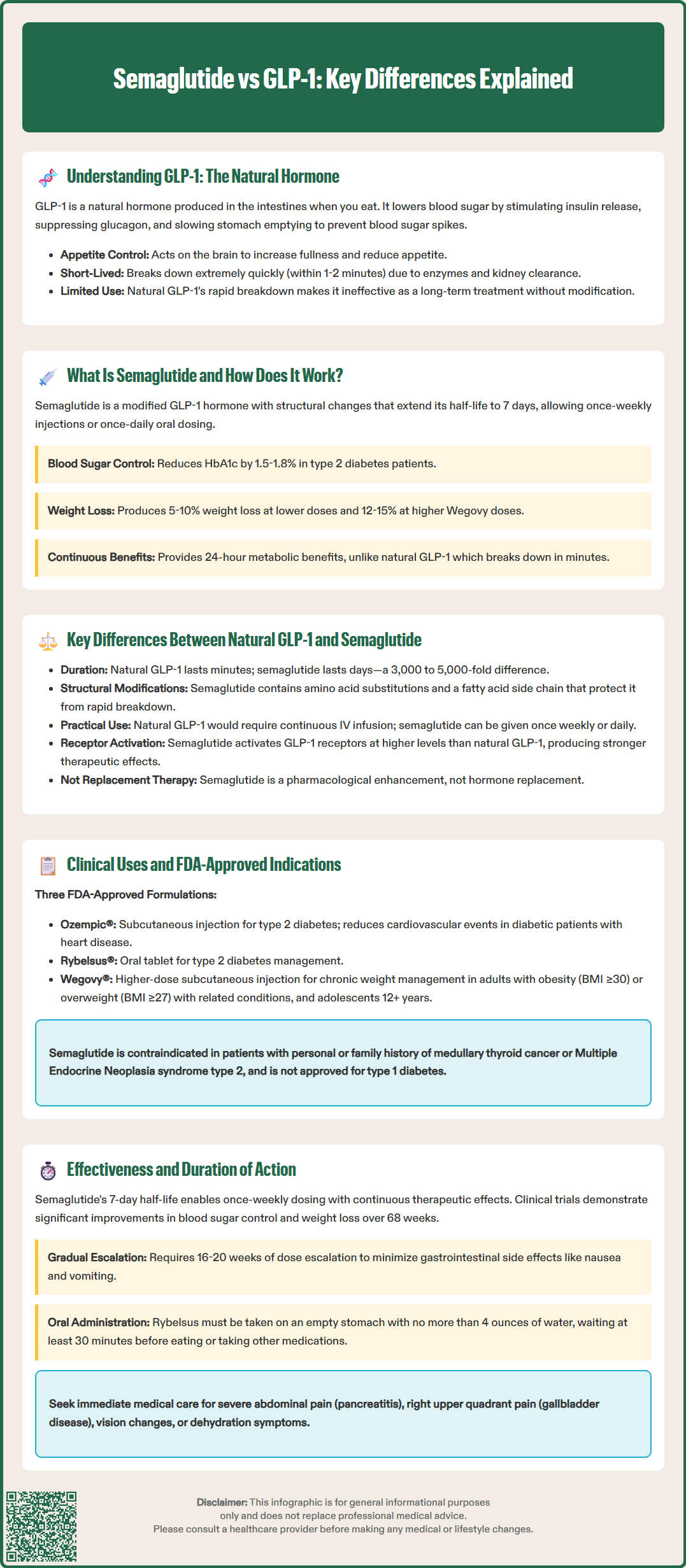
This medication belongs to a class known as GLP-1 receptor agonists, which operate by mimicking the glucagon-like peptide-1 hormone responsible for regulating appetite and food intake
The hormone affects areas in your brain that process your appetite