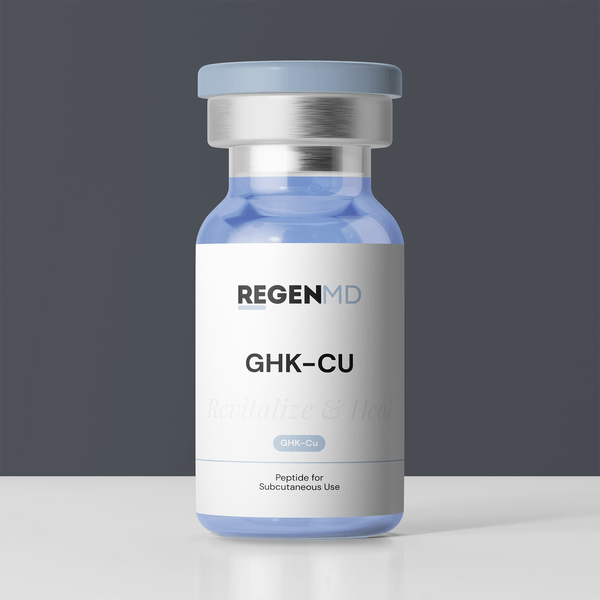
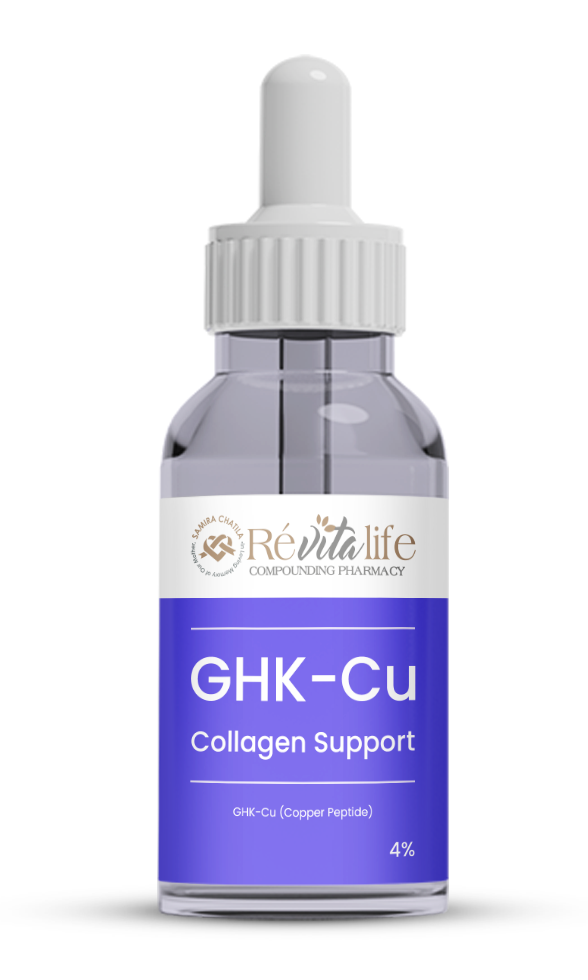
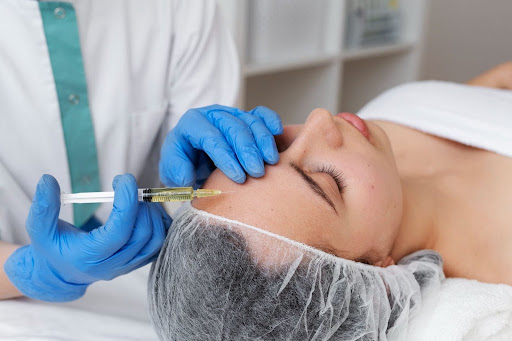
29 gauge, 1/2 inch: the standard for most peptide protocols, including BPC-157, CJC-1295/Ipamorelin, and GHK-Cu 27 gauge, 1/2 inch: acceptable alternative, slightly wider bore makes drawing viscous solutions easier U-100, 1mL capacity: the correct syringe volume for most peptide doses, with clear graduations for accurate measurement Bacteriostatic Water vs Sterile Water: Why the Distinction Matters Lyophilized peptides (the powdered form dispensed by compounding pharmacies) require reconstitution before injection
Methods 25 , 402408 (2001)
PMID 16029679 Pharmaceutics
Liberzon A, Subramanian A, Pinchback R, Thorvaldsdottir H, Tamayo P, Mesirov JP
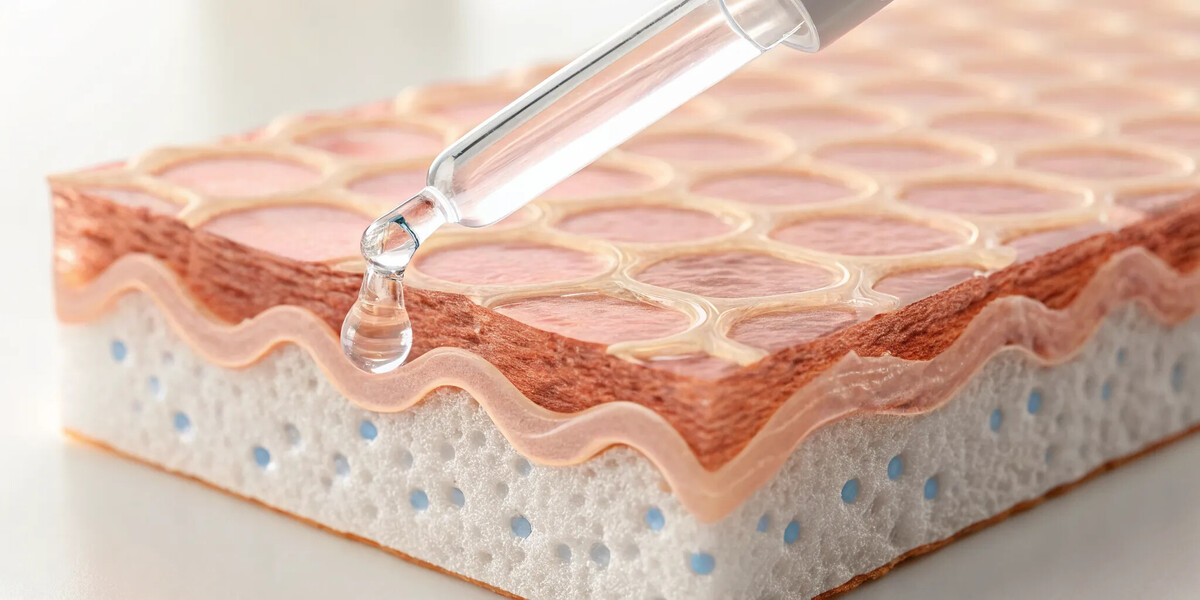
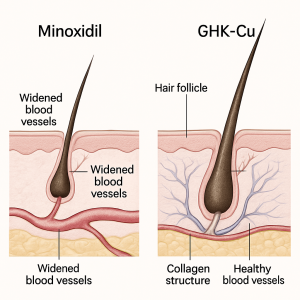
In controlled lab models, researchers have observed changes in fibroblast behavior when these cells are exposed to the peptide, including shifts in signaling activity tied to tissue structure