GHK-Cu is a copper-bound tripeptide (glycyl-L-histidyl-L-lysine with Cu) used in research for its regenerative and anti-aging properties, particularly in skin and tissue repair studies
Groups at increased risk of B12 deficiency include: Vegans and strict vegetarians , who avoid all animal products and are at significant risk without supplementation or fortified foods Older adults , in whom reduced stomach acid production impairs B12 absorption People with pernicious anaemia , an autoimmune condition that destroys intrinsic factor-producing cells Those who have undergone gastric surgery , including bariatric procedures, which can reduce intrinsic factor availability Individuals taking long-term metformin for type 2 diabetes, as this medication is associated with reduced B12 absorption the MHRA has issued specific safety advice on monitoring B12 levels in this group [6] [7] People with conditions affecting the small intestine , such as Crohn's disease or coeliac disease Symptoms of B12 deficiency can include fatigue, weakness, pins and needles, memory difficulties, and a sore or inflamed tongue (glossitis)
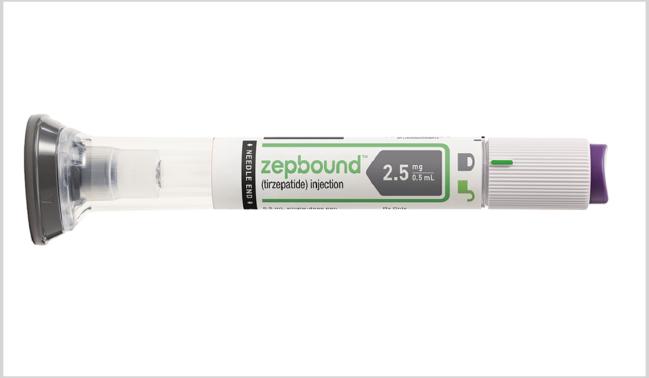
They appear frequently in research-peptide listings and patient forums because they map well to multi-week supply for higher Phase 2 doses
Eng et al., J Biol Chem, 1992 Parkes et al., Diabetes Care, 2013 #GLP1 #DrugDiscovery #FromBenchToBedside #NephMadness #MedicalEducation #Endocrinology #Nephrology GLP-1 Receptor Agonists from Gila Monster Venom GLP-1: from lizard venom to modern medicine One of the most fascinating origin stories in pharmacology
GLP-1 Receptor Agonists (GLP-1RAs) Mechanism: Mimic GLP-1 via direct receptor stimulation at supraphysiological levels