Age The elderly are at increased risk because of decreased tolerance, drug interactions, reduced blood flow, poor diet, infections, and multiple hospitalizations
It is well documented that FIP cats are often anemic or borderline anemic, and some exhibits neurological signs of the disease
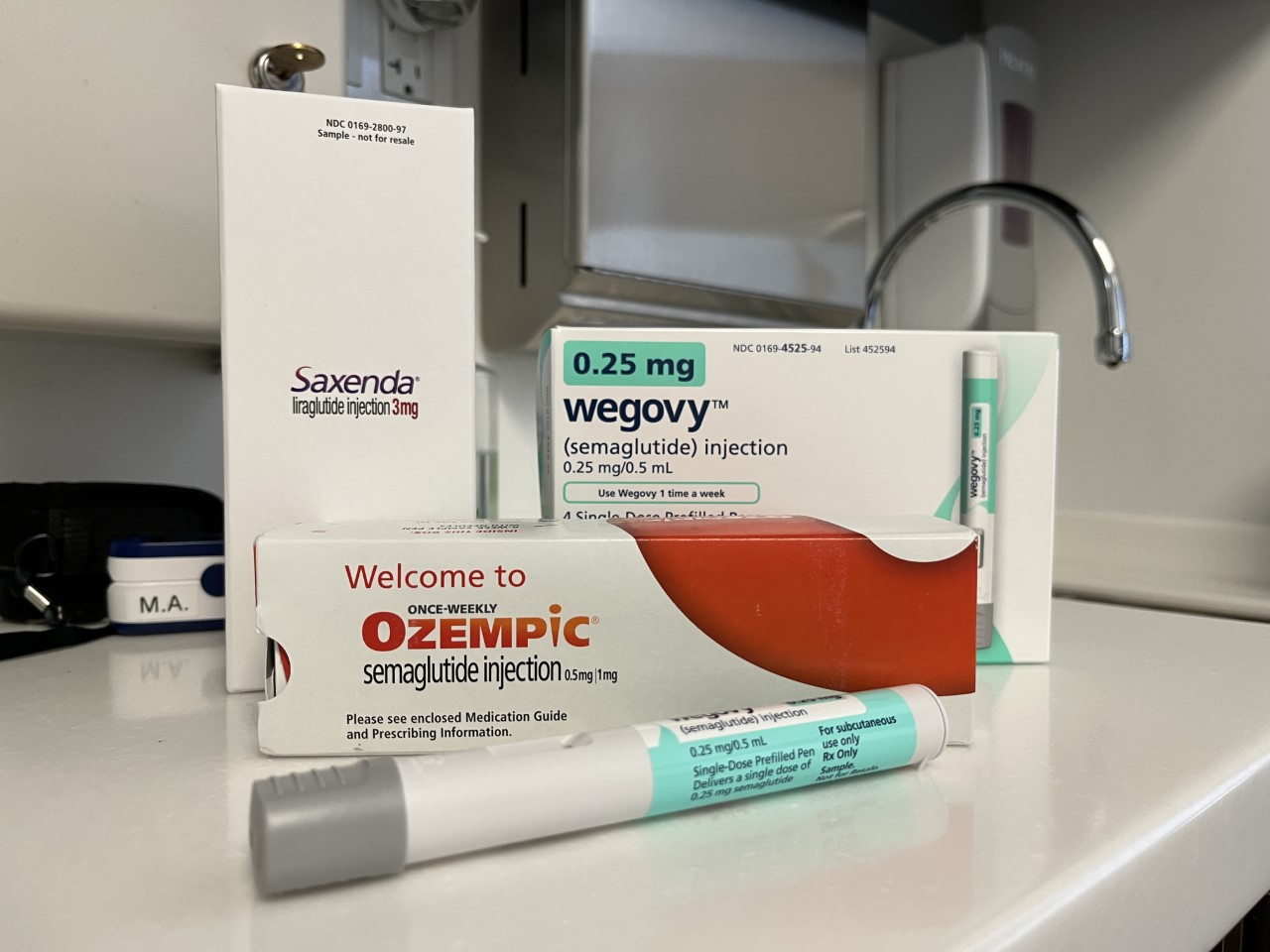
Tracking biomarkers across these systems enables better care 85%+ Muscle mass preserved With guidance, patients preserve lean muscle through targeted protein and strength protocols Most GLP-1 programs fall short Without clinical support Higher risk of losing lean tissue Muscle loss Derail treatment adherence Side effects Weight loss without metabolic health No metabolic tracking Most quit within 6 months Early discontinuation Multi-system intervention Success measured across the body Clinician-led care with ongoing oversight Dosing, tolerance, and response actively managed Decisions guided by biological feedback Biomarkers and symptoms used to protect long-term health Long-term healthspan Designed to support aging, resilience, and metabolic health Clinician-guided GLP-1 treatment Your clinician reviews your medical history and goals to determine eligibility and guide the right treatment choice, including injectable or oral options

The safest approach combines baseline inflammatory labs, documented disease stability before starting, and reassessment at 6-8 weeks
Blauvelt: In the first glimpses of GLP-1s in psoriasis, we saw a number of case reports and case series
.webp)














![Cosrx The Vitamin C 23 [/ Serum/] MINI](https://cdn.shopify.com/s/files/1/0788/6336/8440/files/1000410966.jpg?v=1763647165)
