Real-world studies from clinical practice also support the safety of GLP-1 medications
In an initial pilot study, we demonstrated the need for more comprehensive validation [2]
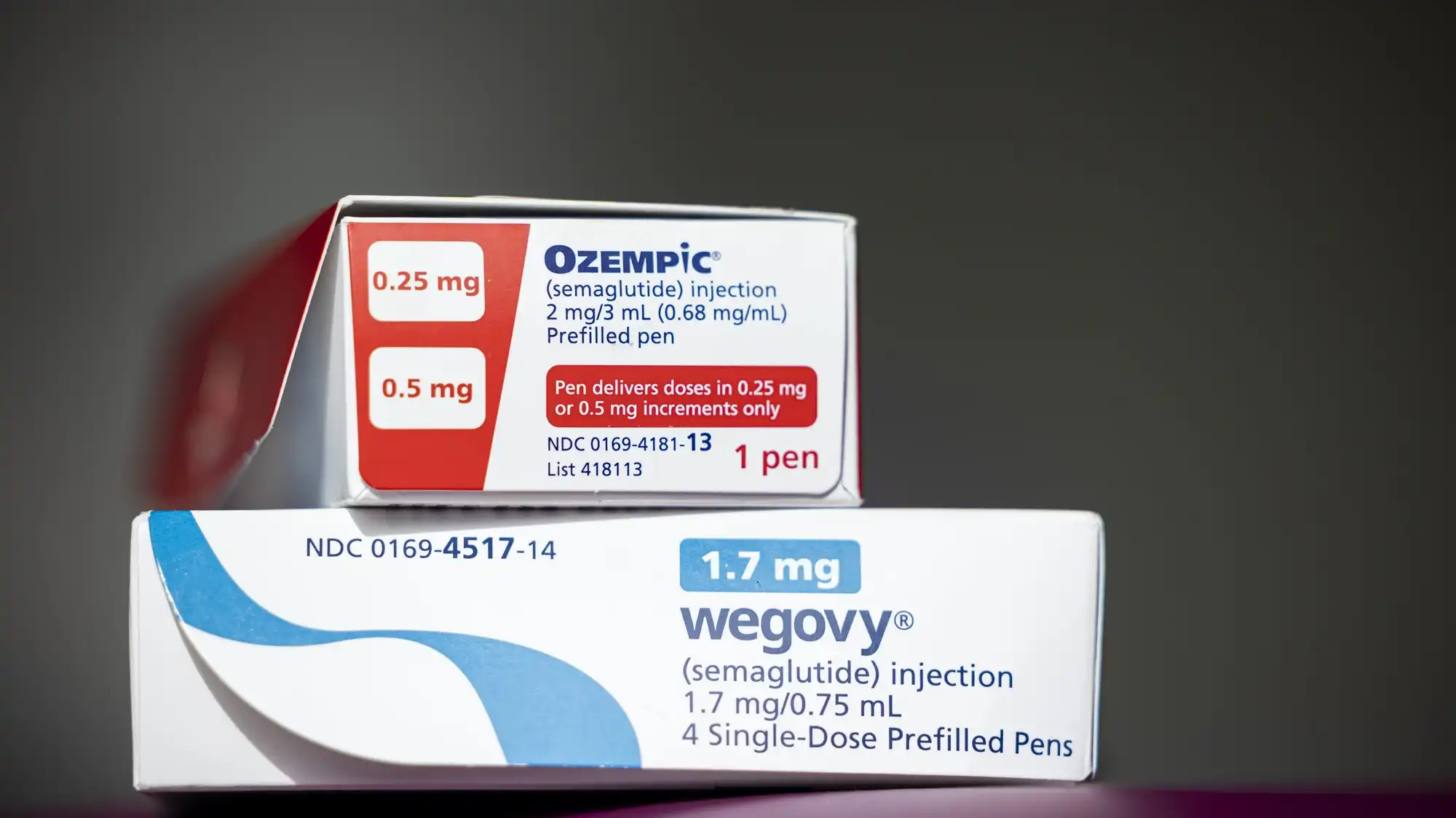
Additional strategies to manage side effects: Eat smaller, more frequent meals rather than large portions Avoid high-fat, greasy, or spicy foods that may exacerbate nausea Stay well hydrated to prevent dehydration and potential kidney problems Eat slowly and stop when you feel comfortably full Consider ginger tea or other natural remedies for nausea (discuss with your pharmacist) When to seek medical advice: Contact your GP or healthcare provider if you experience: Severe, persistent vomiting that prevents adequate fluid intake Signs of dehydration (dark urine, dizziness, reduced urination) which may lead to acute kidney injury Severe abdominal pain , particularly if accompanied by vomiting (potential pancreatitis) Symptoms of hypoglycaemia if taking other diabetes medications Visual changes or eye symptoms , particularly if you have pre-existing diabetic retinopathy New or worsening mood changes , including thoughts of self-harm Persistent side effects that significantly affect your quality of life Rare but serious adverse effects include pancreatitis, gallbladder problems, and thyroid C-cell tumours (observed in animal studies, with uncertain relevance to humans)

Clinical trial access means joining a regulated study if eligible
This is especially important for individuals with type 2 diabetes, where the body's ability to respond to insulin is compromised